
Safeguarding
Safeguarding Statement
At St Mary's C of E Primary School, safeguarding is of paramount importance. We are committed to ensuring the safety and well-being of all our pupils, staff, and visitors. Our safeguarding policies and procedures are designed to create a secure environment where children can learn, grow, and thrive.
We have a number of policies and procedures in place that contribute to our safeguarding culture, including our Child Protection/Safeguarding Policy.
Our approach to safeguarding includes:
- Conducting thorough background checks on all staff and volunteers.
- Providing regular training and updates on safeguarding practices.
- Implementing robust procedures for reporting and addressing concerns.
- Fostering a culture of vigilance and openness where pupils feel safe to speak up.
Sometimes we may need to share information and work in partnership with other agencies when there are concerns about a child's welfare. We will ensure that our concerns about our pupils are discussed with their parents/carers first, unless we have a reason to believe that such a move would be contrary to the child's welfare.
We actively support the Government's Prevent Agenda to counter radicalism and extremism.
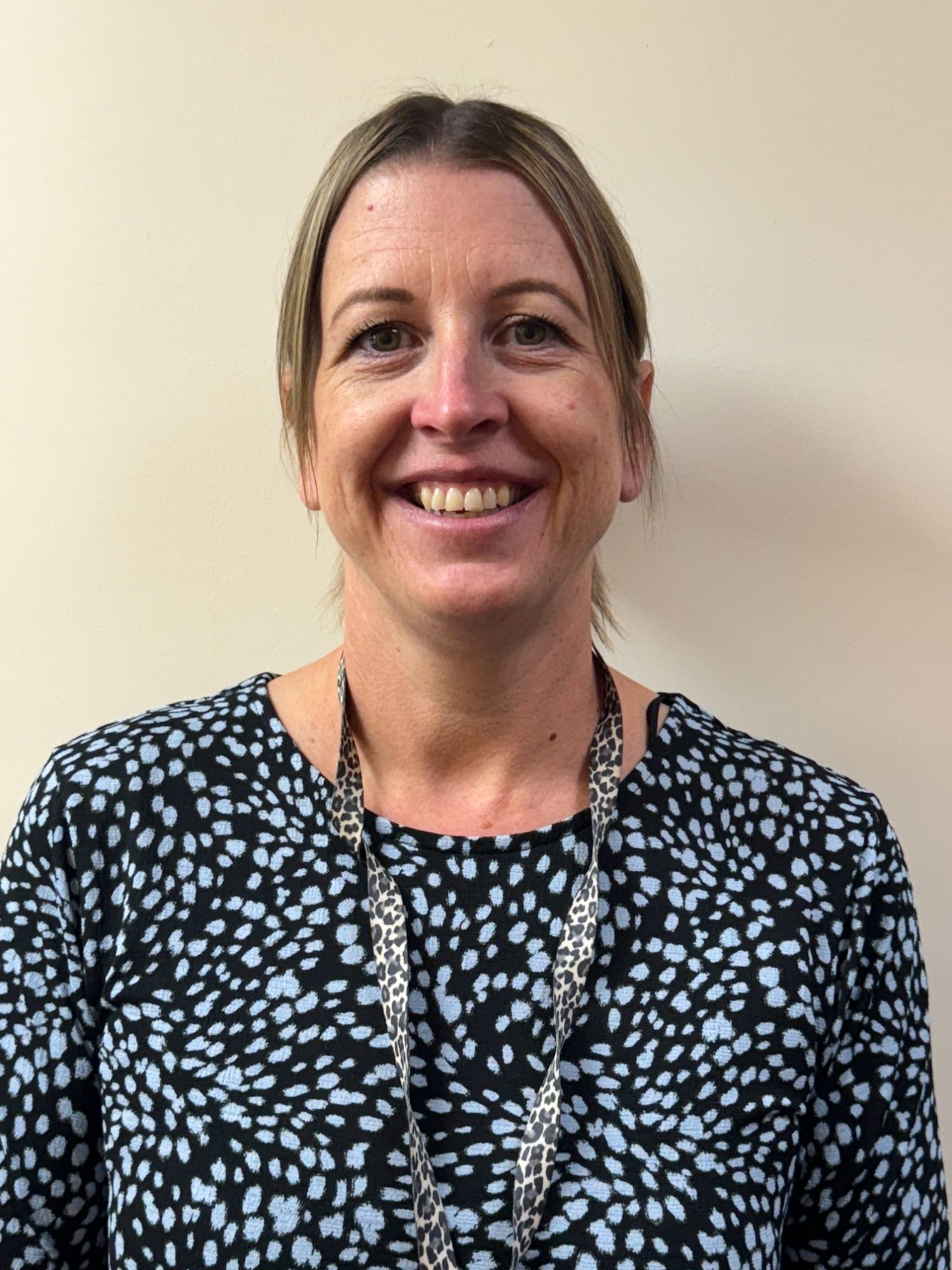

Mr P Galvin Deputy Headteacher |
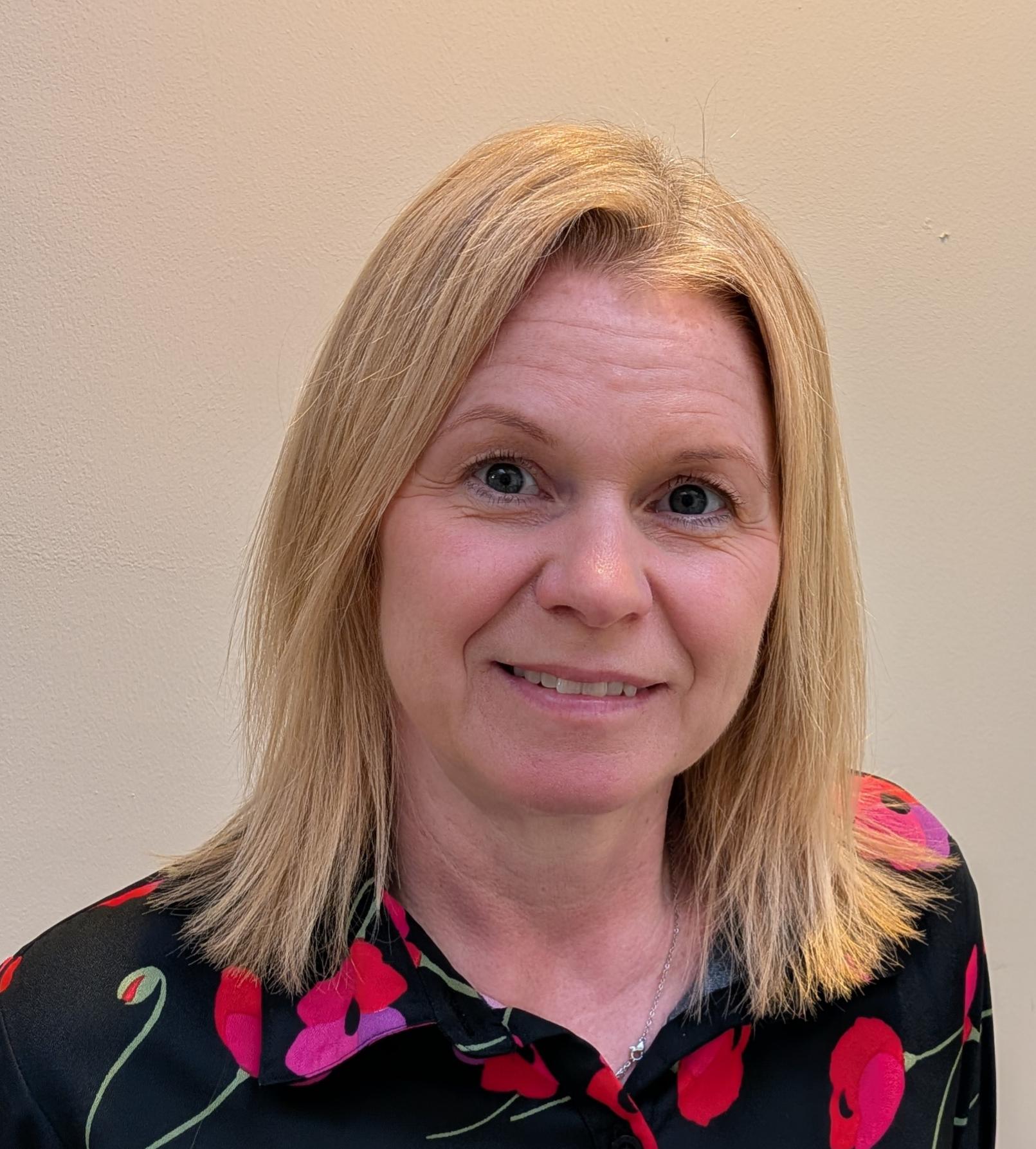
Mrs F Rolls-Drew |
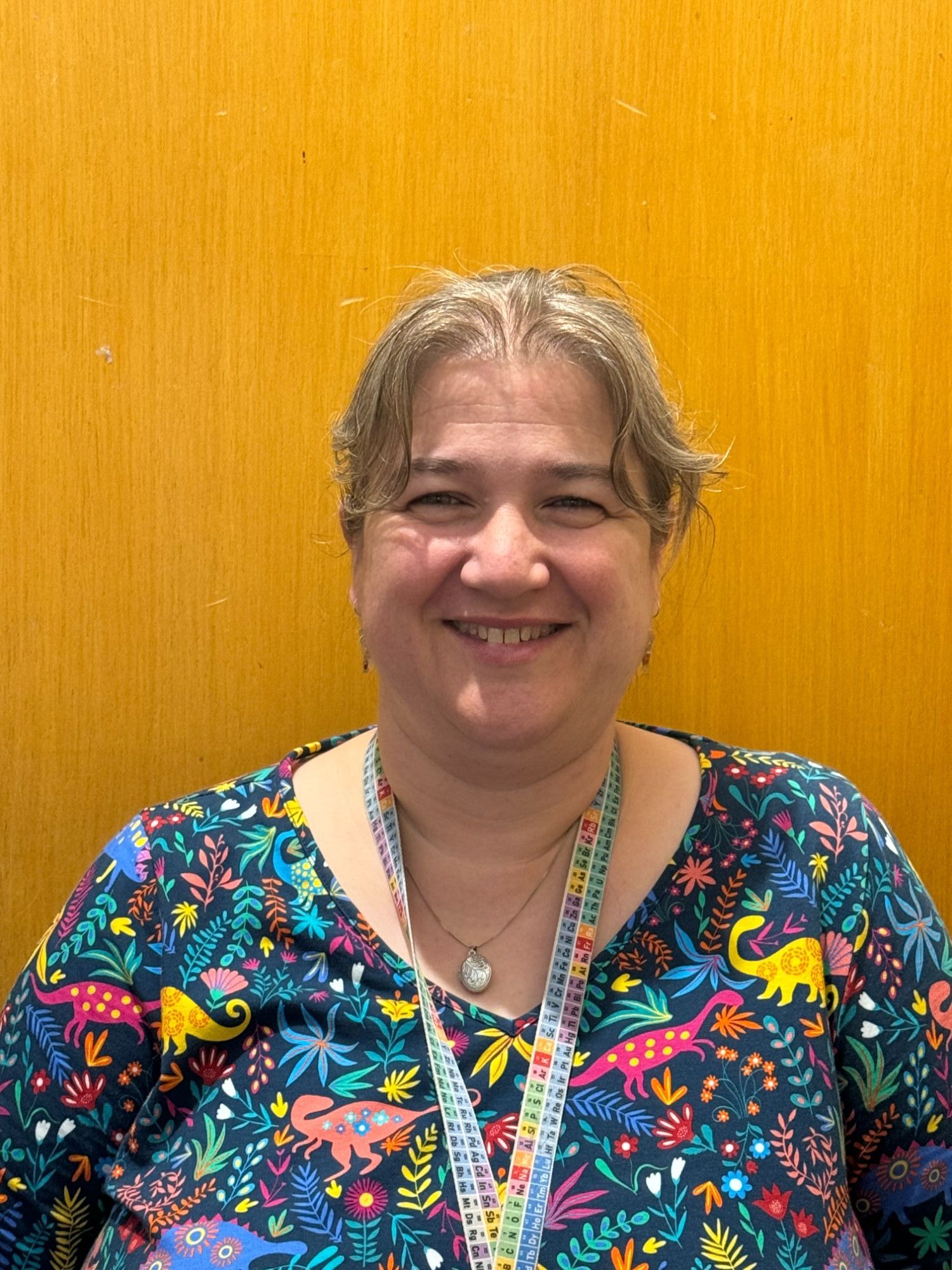
Mrs C Lilley |
Safeguarding Link Governor: Dr J Pointon (Chair of Governors)
Family Help – Support for Children, Young People and their Families
Family Help is the new name for the Children and Family Wellbeing Service. We provide targeted early help to families who may be experiencing challenges that cannot be fully supported by universal services such as schools or GPs. When needed, we also work alongside Child in Need services to ensure families receive the right level of support.
Our team offers a wide range of services for children, young people, and their families. If a family’s needs are more complex, we may work jointly with social workers to ensure appropriate support is in place – but we will always discuss this with you first.
What is Early Help?
Children and young people can face a variety of difficulties at any stage in their lives. Early Help is designed for children and young people of any age and brings together services and organisations to provide coordinated support for the whole family. You may already be working with some of these services, and our aim is to ensure they are meeting your family’s needs effectively.
You can request targeted support if you have concerns about your child’s health, development, or behaviour. Requests can be made directly by you, or together with a teacher, health professional, or support worker.
During the assessment process, you will be fully involved, listened to, and supported so that we can identify the right help for you, your child, and your family.
For more information or to request support, contact: 0116 305 8727 or email: earlyhelpreferrals@leics.gov
In addition to the services provided by Family Help, our school offers further support, guidance, and signposting for families. We can help you access the right services, provide advice, and work with you to ensure your child receives the assistance they need.
* Conversations with parents to identify needs
* Being an outlet for parental and family concerns.
* Addressing pupil or parent health needs
* Behavioural support for young people and their families
* School Nurse referrals
* Guidance on accessing support from a GP/paediatrician
* Support with claiming and accessing benefits, such as Housing, DWP, Food Banks, Employment
* Signposting local children's centres
* Completion of a variety of forms including School Admissions and Free School Meals
* Help with uniform and/or basic hygiene products
* Referrals to charities to support victims of domestic violence
* Signposting of SEND support e.g. ADHD Solutions
Operation Encompass
What is Operation Encompass?
In every force: Our aim is to ensure that schools have timely information about all police-attended incidents of domestic abuse, no matter where in the world the child lives.
In every school: Our aim is to enable staff in every school to understand how to support children who are experiencing domestic abuse, no matter where in the world the child lives.
For every child: Our aim is to ensure all children experiencing domestic abuse receive timely support in their school, no matter where in the world the child lives.
Operation Encompass is a police, local authority and education early information safeguarding partnership enabling schools to offer immediate support to children experiencing domestic abuse.
Operation Encompass ensures that there is a simple telephone call or notification to a school's trained Designated Safeguarding Lead (known as key adult) prior to the start of the next school day after an incident of police-attended domestic abuse where there are children related to either of the adult parties involved.
Information is shared with a school's key adult (DSL) prior to the start of the next school day after officers have attended a domestic abuse incident. This sharing of information enables appropriate support to be given, dependent upon the needs and wishes of the child.
Children are negatively impacted by experiencing domestic abuse and, without early intervention and support, this negative impact can last through a child's life course. Domestic abuse can impact upon social, psychological, physical, emotional and behavioural outcomes with an often negative impact upon a child's academic success. Experiencing domestic abuse has been identified as an Adverse Childhood Experience.
Operation Encompass aims, by directly connecting police and schools, to secure better outcomes for children, to enable schools to better understand the impact living with domestic abuse has upon children, to help schools to better understand a child's lived experience and to therefore be able to support and nurture each child, making a child's day better and giving them a better tomorrow.
Our aim is to have Operation Encompass in every force, in every school, for every child, no matter where they live. It is simply every child's right.
Domestic Violence and Sexual Abuse Support
Some national agencies have reported a significant increase in domestic abuse associated with the pandemic, and this follows the experience of other countries. We want to do everything we can to reduce the harm this can cause.
You can get expert support from Freeva by clicking Free from Violence & Abuse | Support & Services | Freeva or calling their helpline on 0808 802 0028.
If you require any support, please contact any of our school DSLs on the school number 01664 562500 or by email.
Please look at the contact details below for helplines and support resources. No one should suffer in silence – we are here for you.
Finally, a reminder that anyone can contact Leicestershire County Council First Response if they have any concerns about a child’s safety and wellbeing. The telephone number is 0116 305 0005.
National helplines:
Domestic Violence Assist - Domestic Violence Assist | DV ASSIST
Women's Aid - Home - Women's Aid
Men's Advice Help - Domestic Abuse Helpline for Men | Men's Advice Line UK
National LGBT+ Domestic Abuse Help - Galop - the LGBT+ anti-abuse charity
National Stalking Helpline - Pages | Suzy Lamplugh Trust
Victim Support - Home - Victim Support
Out of Hours Safeguarding
Please be aware that during the school holidays and times when the school is closed, you are still able to inform us of any child protection concerns you may have on the following email addresses: safeguarding@stmarys.risemat.co.uk
If you have an immediate concern and feel that a child is at risk of significant harm or danger, please contact the police.
You can also contact Leicestershire County Council Children's Social Care and Early Help, who will be able to offer further advice and guidance. They can be contacted on 0116 305 8727 and more information is available at Help for children and families | Leicestershire County Council.
Please see the links below of national services that may be able to support you during the school holidays.
YoungMinds | Mental Health Charity For Children And Young People | YoungMinds
Shelter - The housing and homelessness charity - Shelter England
Getting help for domestic violence and abuse - NHS
Online Safety
Here you can find a range of links to help you to keep your child safe when online. If you require any further support, or have any questions, please don't hesitate to get in touch with the school.
DfE Guidance on Online Safety This guidance outlines resources to help keep children safe from different risks online and where to go to receive support and advice.
Thinkuknow Provides advice from the National Crime Agency (NCA) on staying safe online. Games and activities are available for children of all ages.
Childnet A useful toolkit to support parents and carers of children of any age to start discussions about their online life, to set boundaries around online behaviour and technology use, and to find out where to get more help and support.
Connect Safely A collection of short, clearly written guidebooks that demystify apps, services and platforms popular with kids. However, most of these shouldn't be accessed by children under 13 years old.
Internet Matters Provides age-specific online safety checklists, guides on how to set parental controls on a range of devices, and a host of practical tips to help children get the most out of their digital world.
Let's Talk About It Advice for parents and carers to keep children safe from online radicalisation.
London Grid for Learning Provides support for parents and carers to keep their children safe online, including tips to keep primary aged children safe online.
Net Aware Support for parents and carers from the NSPCC, including a guide to social networks, apps and games.
Parent info A collaboration between Parentzone and the NCA providing support and guidance for parents from leading experts and organisations.
UK Safer Internet Centre Tips, advice, guides and other resources to help keep children safe online, including parental controls offered by home internet providers and safety tools on social networks and other online services.
Report harmful content online If you've experienced or witnessed harm online, Report Harmful Content can help you to report harmful content online by providing up to date information on community standards and direct links to the correct reporting facilities across multiple platforms
Using TikTok Safely
More and more children are now using TikTok. Make sure you know how to keep your child safe if they are using this:
Internet Matters
 Since their launch in 2014, Internet Matters has provided information and advice to parents and carers to help their children navigate the ever-changing digital landscape. Examples of their work include: supporting families with personalised advice; raising awareness of children's diverse online experiences and focusing on digital wellbeing and emerging tools.
Keep Children Safe Online: Information, advice, support - Internet Matters
NSPCC PANTS Rule
As part of our commitment to keeping children safe, we promote the NSPCC PANTS Rule, a simple, age‑appropriate way to help children understand that their body belongs to them and that they can speak up about anything that makes them feel worried or uncomfortable. The PANTS message is supported by the NSPCC’s friendly character Pantosaurus, helping children learn these key principles in a safe and non‑scary way. [nspcc.org.uk]
The PANTS rule teaches five important messages:
P – Privates are private – Children learn that the parts of the body covered by underwear are private. No one should ask to see or touch them, except in certain medical or care situations where an adult should always explain why and ask permission first.
A – Always remember your body belongs to you – Children are encouraged to understand that they are in control of their body. No one has the right to make them feel uncomfortable, and they can say no at any time.
N – No means no – Children are taught that they can say no—even to someone they know and love. Their feelings matter, and they should never feel pressured into anything that makes them uneasy.
T – Talk about secrets that upset you – Children learn the difference between good secrets (like surprises) and bad secrets that make them feel sad, worried or frightened. They should always talk to a trusted adult about anything that feels wrong.
S – Speak up, someone can help – Children are encouraged to talk to a safe adult—such as a parent, teacher or other trusted person—if they ever feel scared, worried or unsure about something. Talking should never get them into trouble.
The PANTS rule is designed to empower children, build confidence and support open conversations about safety. It forms a valuable part of our safeguarding approach in school and complements our wider work to help children recognise unsafe situations and seek help when needed. Additional child‑friendly resources, teaching materials and guides for families are available through the NSPCC.
The Prevent Duty
What is the Prevent duty?
Prevent is a government strategy designed to stop people becoming terrorists or supporting terrorist or extremist causes. The Prevent duty covers all types of terrorism and extremism, including the extreme right wing, violent Islamist groups and other causes.
How does the Prevent duty apply to schools?
From July 2015 all schools (as well as other organisations) have a duty to safeguard children from radicalisation and extremism. This means we have a responsibility to protect children from extremist and violent views the same way we protect them from any other harm. Importantly, we can provide a safe place for pupils to discuss these issues, at an appropriate level, so they better understand how to protect themselves.
What does this mean in practice at Frisby?
Many of the things we already do in school to help children become positive, happy members of society also contribute to the Prevent duty. These include:
- A strong focus on celebrating diversity and exploring other cultures and religions
- Focusing on core values.
- Challenging prejudices and racist comments.
- Developing critical thinking skills and a strong, positive self-identity.
- Promoting the spiritual, moral, social and cultural development of pupils, as well as British values such as democracy.
- We will also protect children from the risk of radicalisation. For example, by using filters on the internet to make sure they can’t access extremist and terrorist material, or by vetting visitors who come into school to work with pupils.
Different schools will carry out the Prevent duty in different ways, depending on the age of the children and the needs of the community.
Isn't my child too young to learn about extremism?
The Prevent duty is not just about discussing extremism itself, which may not be appropriate for younger children. It is also about teaching children values such as tolerance and mutual respect. This is what we will focus on at St Mary's. The school will make sure any discussions are suitable for the age and maturity of the children involved.
Is extremism really a risk in our area?
Extremism can take many forms, including political, religious and misogynistic extremism. Some of these may be a bigger threat in our area than others. Our Safeguarding Team ensure they are up-to-date on threats in our local area, which is monitored through our school context. We will endeavour to give children the skills to protect them from any extremist views they may encounter, now or later in their lives.
Further information
Contact the school – If you have any questions or concerns about the Prevent duty and what it means for your child, please do not hesitate to contact the school.
See our policies – You will find more details about radicalisation in our safeguarding policy, available on our website. We also have information about spiritual, moral, social and cultural development and British values. The school has a risk assessment for Prevent which may be made available on request.
Key Terms
Extremism – vocal or active opposition to fundamental British values
Ideology – a set of beliefs
Terrorism – a violent action against people or property, designed to create fear and advance a political, religious or ideological cause
Radicalisation – the process by which a person comes to support extremism and terrorism
External Sources
The following sources may also be useful for further information:
Mental Health Support in Leicestershire Schools
Supporting the emotional wellbeing and mental health of our pupils is an important part of our safeguarding work. Across Leicestershire, a wide range of specialist services are available to help children, young people and families access the right support at the right time.
Healthy Together (0-11) and School Nursing Services
Healthy Together provides universal emotional health and wellbeing support through school nurses and public health practitioners. They offer guidance on behaviour, emotional health concerns, and general wellbeing. Parents and carers can contact the Healthy Together team directly using ChatHealth, a secure and confidential text service for families of children aged 0–11 in Leicestershire and Rutland.
ChatHealth number: 07520 615382
A public health nurse will respond within 24 hours (Monday–Friday, 9am–5pm, excluding bank holidays).
Additional local mental health support
We may also refer or signpost families to wider support services, including:
Central Access Point (CAP): A 24/7 helpline providing immediate mental health advice, signposting and urgent support for people of all ages in Leicester, Leicestershire and Rutland.
Phone: 0808 800 3302
Kooth: Free, safe, online counselling and emotional wellbeing support for young people aged 11–25. Accessible without referral.
Website: www.kooth.com
Educational Psychology Helpline (LEPS): Available via school referral to support parents/carers with emotional, behavioural and wellbeing concerns.
Female Genital Mutilation (FGM)
Female Genital Mutilation (FGM) is an illegal and extremely harmful practice and is recognised in the UK as a form of child abuse and violence against women and girls. Schools have a legal and moral duty to safeguard pupils who may be at risk.
What is FGM?
FGM refers to all procedures involving partial or total removal of the external female genitalia, or any other injury to the female genital organs for non‑medical reasons. It is usually carried out on girls between infancy and age 15, most commonly before puberty. There are four types of FGM, ranging from partial removal of genital tissue to procedures that narrow the vaginal opening or cause injury through cutting, pricking, burning or scraping. All forms are illegal in the UK.
The Law and Mandatory Reporting
FGM is a criminal offence in the UK. It is illegal to:
perform FGM
take a girl abroad to undergo FGM
assist a girl in performing FGM on herself
Teachers and regulated professionals have a mandatory duty to report to the police if they discover that FGM has been carried out on a girl under 18. Schools must follow the statutory government guidance Multi‑agency statutory guidance on female genital mutilation.
Recognising Risks and Indicators
FGM is often carried out during school holidays, particularly the summer break, to allow time for recovery. Signs a pupil may be at risk include:
Talk of a “special procedure” or a long holiday abroad
Fear or anxiety about an upcoming trip
Extended time away from school
Health Consequences of FGM
FGM can cause severe and long‑lasting physical and emotional damage, including:
Severe pain and infection
Difficulty passing urine
Long‑term mental health difficulties
Complications during childbirth
In some cases, death
School Responsibilities
All our staff are trained to:
Recognise girls who may be at risk
Know how and when to report concerns
Respond sensitively, using trauma informed and survivor led approaches.
Schools must follow safeguarding procedures and share concerns with multi‑agency partners, including Children’s Social Care and the police where appropriate.
Support and Advice
Parents, carers and young people can access confidential support if they are worried about FGM.
NSPCC FGM Helpline
Phone: 0800 028 3550
Email: fgm.help@nspcc.org.uk
Available Monday–Friday 8am–8pm and weekends 9am–6pm.
If a child is in immediate danger, always call 999.